Djonathan: A Romantic Script Font for Creative Projects
There I was, staring at a blank brand board, trying to find the right visual voice for a new artisanal skincare line. The client wanted something soft, elegant, and a little whimsical—something that felt personal. That’s when I pulled out Djonathan, a handwritten script font that promises to bring a romantic feel to any design.
The Visual Personality of Djonathan
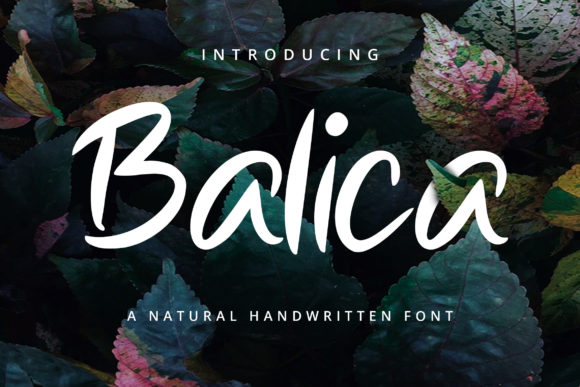
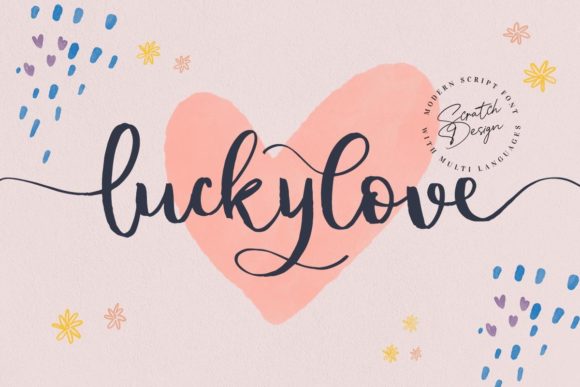
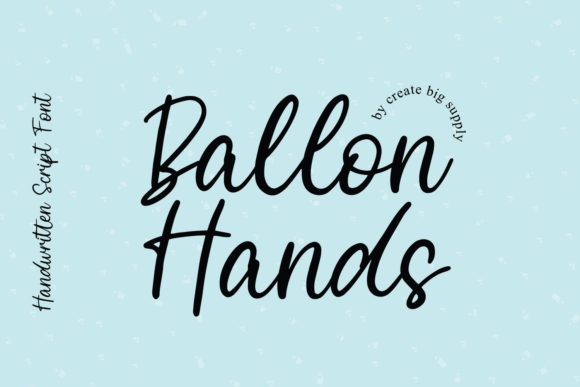
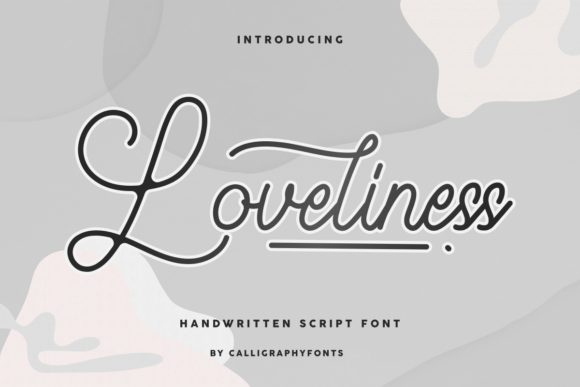
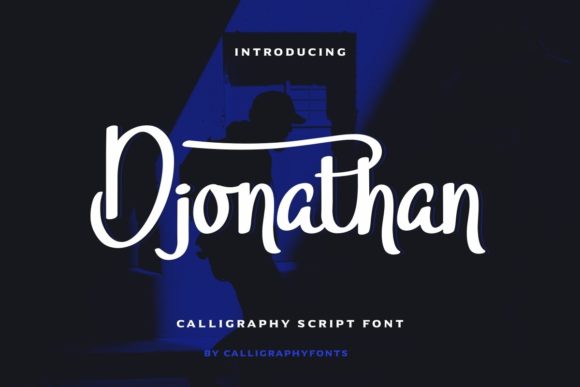
Djonathan has a warm, organic flow that feels like it was written by hand. It’s not too ornate, but it carries enough character to stand out without overwhelming the design. The curves are fluid, the strokes vary slightly, and there’s a natural imperfection that makes it feel authentic. It’s the kind of font that can make a logo feel more human, more approachable.
When I first tested it on a logo concept, I was struck by how well it balanced creativity with legibility. It wasn’t overly decorative, which is a common pitfall with many script fonts. Instead, Djonathan maintained a clean structure that still felt expressive.
Real-World Testing: From Logo to Social Media
I used Djonathan in several branding elements. On a business card, it added a touch of sophistication without being too flashy. For a packaging mockup, it worked well as a product name or tagline, especially when paired with a simple sans serif for contrast. On a website header, it made the text feel more dynamic, almost like an invitation to explore.
On social media layouts, Djonathan shone as a headline font. It caught the eye, gave a sense of movement, and felt like it belonged in a lifestyle or beauty brand. I even tried it on a shop sign, and it looked great from a few feet away—though I’d avoid using it for anything too small or in long paragraphs.
Strengths and Limitations
Djonathan excels as a display or headline font. Its personality makes it ideal for logos, branding, and short phrases where it can be the focal point. It pairs well with serif or sans serif fonts that provide a strong counterbalance. For example, pairing it with a classic serif like Georgia or a modern sans like Helvetica Neue creates a nice contrast that keeps the design from feeling too busy.
However, it’s not the best choice for body text. At smaller sizes, the detail can get lost, and the variations in stroke weight might make it harder to read. It also doesn’t work well in formal corporate settings where a more neutral typeface is expected. If you’re designing for a law firm or a financial institution, Djonathan might not be the right fit.
Practical Tips for Using Djonathan
If you're considering Djonathan for a project, test it across different mediums. Print it on a mockup, use it in a web layout, and see how it looks on a phone screen. Pay attention to how it scales—some script fonts lose their charm when reduced in size.
Also, check the font’s file formats and webfont availability. Djonathan likely comes in standard formats like OTF or TTF, and if it’s available as a webfont, that’s a big plus for digital projects. Make sure to review the licensing terms before using it in client work or commercial products.
When to Use Djonathan
Djonathan is perfect for brands that want to convey warmth, creativity, and a personal touch. It works well for boutique identities, handmade shops, cafes, and any project that benefits from a soft, artistic aesthetic. It’s also great for editorial design, such as magazine covers or promotional posters, where a unique typeface can add visual interest.
But don’t overdo it. Use it strategically. Let it shine in key areas like headlines, logos, and social media posts, and pair it with more neutral fonts for the rest of the design. That way, you maintain clarity while still leveraging its expressive qualities.
As a designer, I’ve found that Djonathan is one of those fonts that feels like it was made for storytelling. Whether it’s a bakery’s packaging, a skincare brand’s website, or a creative studio’s logo, it adds a layer of personality that other fonts might not. It’s not just a typeface—it’s a mood, a style, and a subtle way to communicate a brand’s identity.