Martin: A Handwritten Font for Creative Makers
There’s something about the way Martin flows across a page that feels like a warm hug. I was working on a batch of soy candle labels when I first fell in love with this font. Its soft curves and gentle strokes added just the right amount of personality to each label, making them feel more like handcrafted treasures than simple product tags.
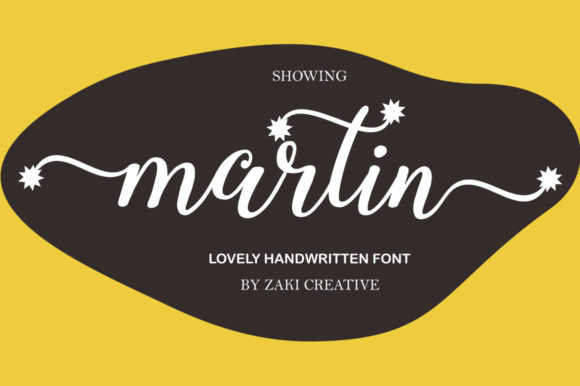
Martin is a handwritten font with a distinct character. It’s not overly ornate, but it carries a sense of elegance and approachability that makes it perfect for a wide range of handmade projects. Whether you’re designing greeting cards, wedding invitations, or printable wall art, Martin adds a touch of authenticity that’s hard to replicate with other typefaces.
Using Martin in Real-World Projects
One of my favorite ways to use Martin is on farmhouse-style signs. I’ve used it for holiday tags, seasonal banners, and even small business signage. The font’s natural rhythm gives it a friendly, inviting feel that pairs well with rustic textures and earthy color palettes.
When I was creating a set of printable planner pages, Martin was the obvious choice for headers and decorative elements. Its versatility allowed me to mix it with a clean sans serif for body text, creating a balanced and professional look without sacrificing creativity.
I also use Martin for product packaging. For example, when I designed a line of custom tote bags, I used the font for the main text on the front. It gave the designs a personal, artisanal quality that customers loved. The font’s legibility at smaller sizes made it ideal for tags and labels as well.
How Martin Enhances Product Presentation
Fonts can have a big impact on how a product is perceived. Martin’s style helps elevate the visual appeal of handmade items, making them stand out on a crowded shelf or online marketplace. When I use it on candle labels or boutique tags, it adds a layer of thoughtfulness that customers notice and appreciate.
Brand consistency is another key benefit. By using Martin across different products—whether it’s a digital printable, a printed card, or a custom mug—the font helps create a cohesive brand identity. This consistency builds recognition and trust with your audience.
Emotionally, Martin has a calming effect. It feels like a handwritten note from a friend, which makes it ideal for invitations, thank-you cards, and personal messages. This emotional connection can make a big difference in how customers interact with your shop and your brand.
Practical Tips for Using Martin
When working with cutting machines like Cricut or Silhouette, it’s important to test Martin at different sizes. While it works well for larger text, it may need some adjustments for very small stickers or labels. I always do a quick mockup before finalizing any design.
For printed cards or listing images, ensure the font is high resolution and properly embedded. If you’re using Martin for digital downloads, check that the file formats included are compatible with your intended use, whether it’s for print, web, or social media graphics.
Pairing Martin with other fonts can help create visual balance. A simple serif or sans serif font often complements its organic feel. I’ve found that pairing it with a clean, modern typeface works especially well for headings and body text in digital templates.
Exploring Martin’s Features
Martin is PUA encoded, which means you can access all the glyphs without needing special software. This is a huge plus for makers who want to use alternate characters, ligatures, or swashes in their designs. It gives you more creative freedom and flexibility.
Before using Martin for commercial purposes, make sure to review the licensing terms. If you’re selling physical products, printables, or digital downloads, you’ll want to confirm that the font allows for such use. Many premium fonts include clear guidelines for different types of projects.
Also, consider the language support if you’re designing for an international audience. Some fonts have limited character sets, so it’s worth checking if Martin includes the necessary glyphs for your target market.
Realistic Applications for Makers
From birthday invitations to wedding welcome boards, Martin adapts beautifully to different contexts. I’ve used it for printable wall art that customers can customize with their own names, and it looks just as good in a bold display size as it does in a subtle header.
For seasonal projects, like holiday tags or Christmas cards, Martin adds a personal touch that feels authentic. It’s perfect for handmade ornaments, gift tags, and festive packaging. Its readability ensures that even small text remains legible and elegant.
Whether you’re designing a digital template or preparing a physical product, Martin offers a level of creativity that enhances every project. Its charm and versatility make it a valuable addition to any maker’s design toolkit.
As I continue to explore new ways to use Martin, I’m always impressed by how it brings life to my creations. From candle labels to boutique packaging, it’s a font that feels both functional and expressive—a true asset for anyone who values handmade quality and thoughtful design.