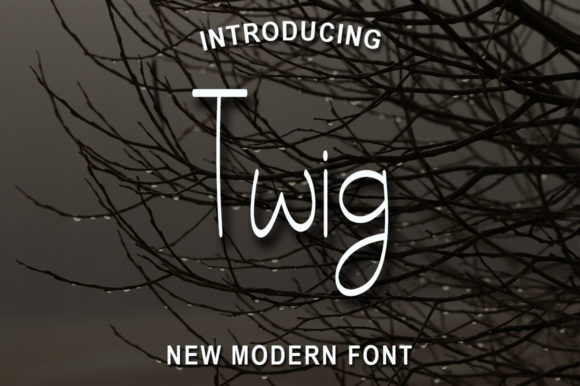
Twig: A Font That Brings Business to Life
As a small business owner, I've learned that the little details often make the biggest impact. One of those details is typography. When I recently updated my bakery's packaging, I knew I needed a font that felt personal and approachable—something that reflected the warmth of my products and the care I put into every item. That's when I discovered Twig, a simple and flowing handwritten font that brought just the right balance of charm and professionalism to my brand.
Twig has a soft, natural feel that feels like it was written by hand. It's not too ornate or too casual, making it versatile for a wide range of applications. Whether I was designing product labels, creating social media graphics, or updating my website banner, Twig added a friendly touch without overwhelming the design. Its flowing lines and gentle curves give it a sense of movement, which makes it perfect for branding that wants to feel both creative and trustworthy.
Real-World Use Cases for Twig
I tested Twig on several real-life projects, and it consistently delivered. For example, when redesigning my candle labels, I used Twig for the product names and scent descriptions. The font’s organic shape made the labels feel more authentic, as if they were crafted with care. It worked especially well on small labels where readability was key. Even in tight spaces, the font remained legible and visually appealing.
Another project involved updating my café's menu. I paired Twig with a clean sans serif font for the body text, allowing the handwritten font to shine as a headline and subheading. The result was a menu that felt inviting and easy to read, while still maintaining a cohesive brand identity. Twig also worked well on thank-you cards and stickers, adding a personal touch that customers appreciated.
For my online shop, I used Twig on banners and promotional graphics. The font’s unique character made my shop stand out, and its versatility allowed me to use it in different sizes and contexts without losing its personality. Whether it was a bold headline or a subtle decorative element, Twig adapted beautifully.
How Twig Enhances Brand Perception
Typography plays a huge role in how customers perceive a brand. A well-chosen font can make a business look more polished, consistent, and memorable. Twig helps achieve that by offering a warm, approachable aesthetic that aligns with many small businesses' values. It doesn’t scream for attention but instead invites engagement, making it ideal for brands that want to feel genuine and human.
One of the things I love about Twig is how it supports visual consistency across different materials. Whether it's a product box, a social media post, or a business card, using the same font creates a unified look that reinforces brand recognition. This is especially important for small businesses that are building their identity and want to ensure every touchpoint reflects their values.
Readability is another key factor. While Twig is a script font, it maintains a level of clarity that works well in most situations. On mobile screens, printed packaging, and social media thumbnails, it remains readable without sacrificing style. This makes it a practical choice for businesses that need a font that looks good everywhere.
Pairing Twig with Other Fonts
When working with Twig, I found that pairing it with a clean sans serif or elegant serif font created a balanced and professional look. For instance, using a modern sans serif for body text and Twig for headings gave my designs a clear hierarchy while keeping the overall aesthetic cohesive. It also worked well with other handwritten fonts for decorative accents, allowing me to add variety without clashing.
For a more refined look, I paired Twig with a classic serif font. This combination worked particularly well for editorial designs, such as blog headers or event invitations. The contrast between the two fonts highlighted the strengths of each, creating a sophisticated yet approachable feel.
If you're looking to create a bold statement, Twig can also serve as a display font. It adds a unique flair to logos, banners, and promotional materials. However, it's best used in smaller doses, as overuse can reduce readability and dilute its impact.
Considerations Before Using Twig
Before finalizing any design, I always check the font's features. Twig includes multiple styles, alternates, and ligatures, which gives designers more flexibility. It also supports a wide range of languages, making it a great option for businesses targeting diverse audiences.
For commercial use, it's important to verify the licensing terms. Twig is available through Script Amp, and the licensing options are clear and straightforward. Whether you're using it for your own business, client work, or digital downloads, you'll find that it's a reliable and versatile choice.
Overall, Twig is a premium font that delivers on both style and functionality. It’s a great addition to any designer’s toolkit, especially for small businesses looking to elevate their brand with a touch of personality and professionalism. With its flowing lines and warm character, it’s a font that feels like it was made for real-world use—not just for show.